

"Saw What?" On Fallibility

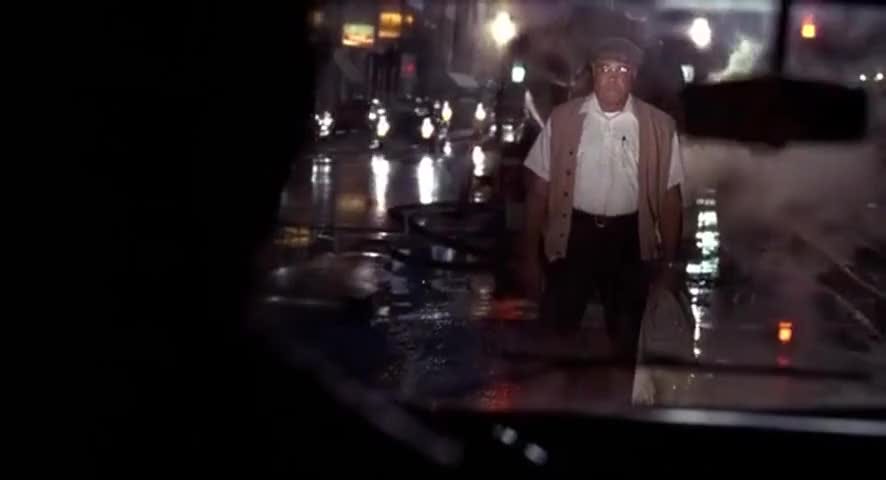
I keep thinking about a scene in a movie, so you’re going to have to read about it.
“Moonlight Graham”
“You saw it!”
“Saw what?”
This is an exchange from a movie called Field of Dreams, which is a couple of things I don’t care a lot about: baseball and God. It’s actually a long-form demonstration that supply is what drives demand (“if you build it, they will come”). Which would make a funny essay, to slam that point home again with another cultural touchstone, but I do more than enough of that anyway.
Though a lot of people call it a classic, not much of the movie has ever stuck with me (“baseball” is the best possible safe word, to be clear), but that scene always has. It’s a distilled version of something I think everyone has experienced. Kevin Kostner’s character (Ray) saw the name “Moonlight Graham,” an old-time Minnesota baseball player who played one professional game and never got to bat, on a scoreboard and thought no one else did. However, James Earl Jones’s character (Terrence) also saw it.
They also both heard a voice with it, saying, “go the distance,” which Ray doesn’t understand. Terrence tells him it means they’re going to Minnesota.
And you know, some people are just like this. They’ll do things that indicate they know. And that they know you know. But they’ll push the thing you both know away. Maybe they don’t know the words, maybe they are insecure, maybe they feel ashamed of something they are afraid to talk about—it could be anything.
But they know it. And at some point, they’ll have to confront it because it’s ultimately the only thing that will do anything about that crazy god damn thing in the back of their head that won’t go away.
I think we see this happen more often than people really want to admit. I talk a lot about how fandom is our primary social ideology, and how many people are stuck in insane little wars between one or the other. But people get out of it. I talk a lot about the left/right paradigm and how it’s ultimately just bourgeois ideologies asserting themselves as the pretense of counter-culture. People resist it, but as it turns out, others spend time on it and often come to similar conclusions.
I have personally done this (we’re all “some people” sometimes). There’s a lot of music and media I have been shitty about but ultimately like, and just needed to admit to myself (I listen to a bunch of stuff I used to beat my chest about hating, and watch cat videos all the time nowadays). There are a lot of things that have caused visceral reactions in me that I’ve been wrong about. And there are things I’d forgive that at one point I said I’d never.
People tell me they value my consistency, and I do too. I think it is a strength. But also, I think there is a point where our brains can take that kind of thing too far, and we get wrapped up.
I think the best thing to do is understand we are fallible, and that isn’t a problem. When we’re wrong, it’s fine. If our being wrong hurts other people, we shouldn’t avoid it. It’s often easy to make it right, but this world has made it so hard to just do it.
The bastards have even stolen “just do it” from us. I can’t say that without thinking of this:
It’s fine, though. Just because they legally own it doesn’t mean we have to respect their claim. If there’s one thing I have made very clear, it’s that I am against intellectual property.
Besides, we also have this from actual cannibal Shia LaBeouf:

I kept thinking about that scene in Field of Dreams, and I didn’t/don’t want to watch the movie, so I wrote this. You only live once, I suppose.